
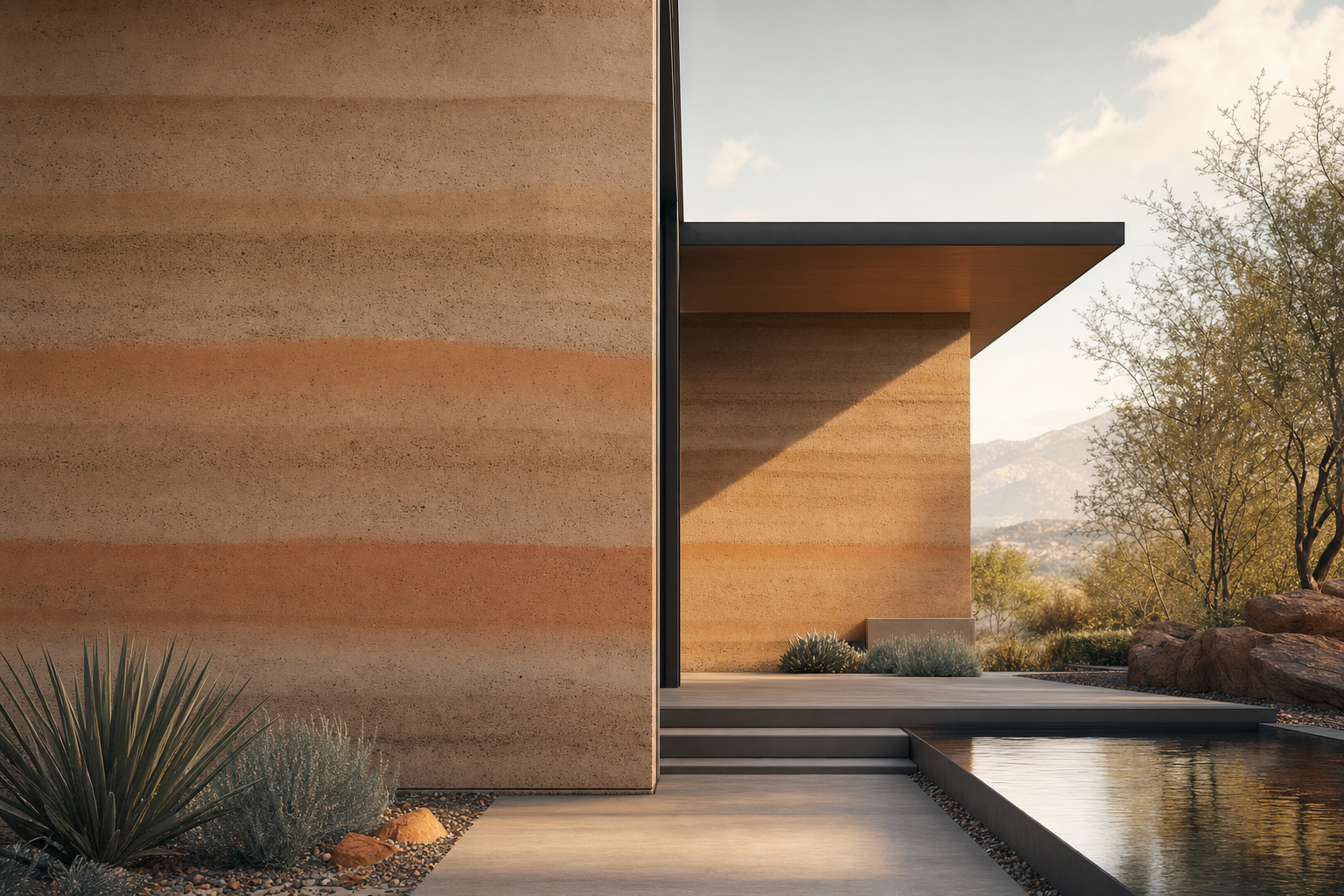
What is Rammed Earth Construction
Rammed earth construction is an ancient building technique that involves compacting a mixture of earth, often combined with stabilisers, into formwork to create solid walls. This method dates back over 10,000 years, with historic examples found across continents, from the Great Wall of China to traditional homes in Africa and the Americas. Its enduring appeal lies in the natural materials and robust structure it produces.
Today, rammed earth is experiencing a resurgence in modern architecture, valued for its sustainability and aesthetic qualities. Contemporary projects incorporate engineered standards and innovative design, marrying tradition with modern performance requirements.
Material Composition and Compaction
The core of rammed earth construction is the use of compressed earth—a blend of soil, sand, gravel, and clay. Typically, this mixture is carefully proportioned to optimise strength and workability. Stabilised rammed earth introduces cement or lime (usually between 5% and 10%) to enhance durability and water resistance, allowing for broader application in various climates.
The compaction process involves placing the earth mix into formwork in layers or lifts, each about 10–15 cm thick, and compressing it with pneumatic or manual rammers. This compaction densifies the material, increasing its structural integrity and reducing porosity. Controlled lift depth and compaction density are critical; insufficient compaction can lead to weak spots, while overcompaction may cause cracking. For a practical guide on compaction techniques, the UK rammed earth works specification provides detailed recommendations.
Structural and Compressive Strength Basics
Compressive strength is a key metric for rammed earth walls, indicating their ability to withstand loads without failure. Stabilised rammed earth can achieve compressive strengths comparable to concrete, often ranging from 2 to 5 MPa, depending on soil composition, moisture content, and cement stabiliser percentage. For instance, research from the Indian Institute of Science thesis highlights how increasing cement content and optimal clay fraction improve strength and elasticity.
When compared to traditional masonry or concrete blocks, rammed earth offers competitive structural performance, particularly when engineered according to modern standards such as NZS 4297:2020 from Standards New Zealand. This standard outlines seismic, fire, and reinforcement requirements, ensuring safety and durability in contemporary construction.
Thermal Mass Logic
Thermal mass refers to a material’s ability to absorb, store, and release heat, contributing to stable indoor temperatures. Rammed earth walls, often 300 mm thick or more, provide significant thermal mass, buffering temperature fluctuations and reducing heating and cooling demands.
Buildings constructed with rammed earth benefit from passive temperature regulation, leading to energy savings and enhanced occupant comfort. The Australian Government’s YourHome guide explains how thermal mass in rammed earth can reduce peak cooling loads and maintain warmth during cooler nights, especially when combined with proper insulation strategies.
Formwork and Labour Requirements
Constructing rammed earth walls requires robust formwork to contain the earth mixture during compaction. Typically, timber or steel panels are used, designed to withstand the pressure of the compacted earth and allow for easy disassembly after each lift.
Labour is intensive and demands skilled workers familiar with soil testing, mixing, layering, and compaction techniques. A common pitfall is underestimating the complexity of formwork setup and the precision needed in material placement, which can compromise wall quality. To avoid this, it’s advisable to engage experienced professionals rather than attempting DIY construction.
Moisture Protection and Detailing
Moisture protection is critical for the longevity of rammed earth structures. While stabilisation improves water resistance, detailing such as roof overhangs, damp-proof membranes, and proper drainage systems are essential to prevent water ingress.
Sealing techniques may include breathable water repellents or lime-based coatings that protect against rain while allowing vapor permeability. The YourHome guide outlines effective moisture barriers and successful moisture management strategies that prevent erosion and deterioration over time.
Modern Rammed Earth Examples
Contemporary architecture showcases rammed earth’s versatility and sustainability. The Nk’Mip Desert Cultural Centre in Canada exemplifies modern rammed earth application, featuring semi-underground design, local soil walls, steel reinforcement, and insulation to meet performance standards. Details on this project can be found on the Nk’Mip Desert Cultural Centre’s official page.
Architectural trends increasingly incorporate rammed earth for its natural aesthetics, thermal benefits, and reduced environmental footprint, aligning with green building certifications and sustainable design principles.
Feasibility Checklist
Before embarking on a rammed earth project, consider the following key factors:
- Soil suitability: Test local soil for appropriate composition and stabiliser needs.
- Climate: Assess moisture exposure and thermal performance requirements.
- Structural demands: Confirm compliance with relevant building codes and standards.
- Labour and expertise: Ensure access to skilled workers experienced in rammed earth techniques.
- Cost and timeline: Evaluate material availability, formwork investment, and construction duration.
Following this feasibility checklist helps determine if rammed earth is a practical choice for your project.
Do Rammed Earth Houses Require a Lot of Maintenance?
Rammed earth homes are known for their durability and low maintenance requirements. Properly constructed and sealed walls can last decades with minimal upkeep. Routine inspections to ensure moisture protection remains intact are advisable.
The Australian Government guide notes that maintenance typically involves occasional resealing and repairing any damage from water exposure or mechanical impact. This low maintenance profile makes rammed earth an attractive option for sustainable living.
However, neglecting moisture protection is a common pitfall that can lead to erosion or cracking. Regular attention to drainage and sealing details helps avoid costly repairs.
Explore rammed earth projects to see this ancient technique’s potential for modern, sustainable architecture. Whether you’re an interior designer, architect, or developer, incorporating rammed earth can enhance your portfolio with environmentally responsible and visually striking buildings.