
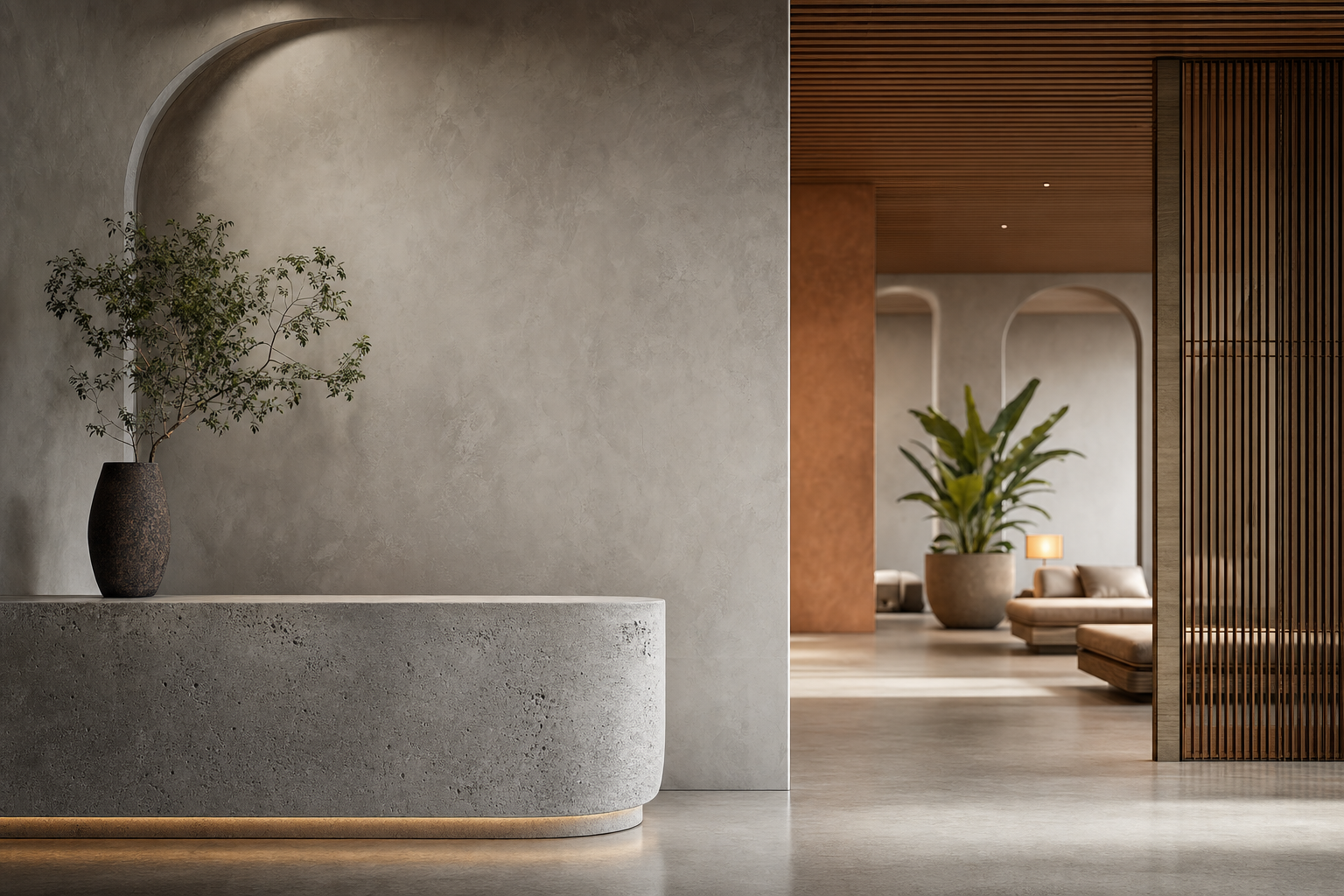
Define Hotel Material Innovation
Hotel material innovation refers to the adoption and experimentation with new, advanced, or sustainable materials in the design and construction of hospitality environments. This innovation enhances aesthetics, functionality, sustainability, and guest experience in hotels. In hospitality design, these material advances are crucial for creating unique atmospheres that differentiate properties in a competitive market.
Boutique hotels, in particular, have emerged as key players in this landscape. Their smaller scale and emphasis on distinctive design allow them to experiment with materials that might be too risky or costly for larger chains. Examples include the use of polished plaster for luxurious wall finishes or recycled surfaces that support environmental goals, all contributing to a tailored guest experience.
Why Boutique Hotels Test Materials Well
Boutique hotels serve as ideal laboratories for material innovation due to their experimental nature and design flexibility. Unlike large hotel chains that prioritize uniformity and cost-efficiency, boutique hotels thrive on customization and unique aesthetics. This flexibility allows designers to trial new materials and finishes that can enhance the physical environment and guest experience.
For example, lifestyle and boutique hotels differentiate themselves through carefully crafted customer experiences and physical environments, as detailed in research highlighting their focus on design and aesthetics (Purdue University study). This willingness to innovate positions boutique hotels as trendsetters in hospitality design.
Polished Plaster and Concrete Finishes
Polished plaster and decorative concrete are standout materials in boutique hotel interiors. Polished plaster offers a smooth, luxurious finish often used on walls, ceilings, and columns to create a high-end atmosphere. Its versatility allows for varied textures and subtle color variations, enriching the tactile experience of hospitality spaces.
Decorative concrete, including polished and exposed concrete floor finishes, combines durability with aesthetic appeal. It is hard-wearing and offers multiple finish options, making it suitable for high-traffic hotel areas. Specification considerations ensure that concrete surfaces meet both design and performance requirements.
An excellent case study is the Park Regis hotel, where polished plaster was applied extensively in the lobby, public areas, and restaurant, enhancing the boutique feel with sophisticated finishes (Park Regis case study). Additionally, the concrete centre provides guidance on achieving visual concrete finishes that balance form and function (Concrete Centre tips).
Recycled and Low-Impact Surfaces
Sustainability is a growing priority in hospitality design, making recycled and low-impact surfaces essential components of material innovation. Recycled surfaces incorporate reused materials, reducing waste and environmental impact. Low-impact materials are responsibly sourced and undergo life-cycle assessments to ensure minimal ecological footprint.
These materials not only support environmental goals but also appeal to eco-conscious guests. The U.S. Green Building Council offers a comprehensive framework for selecting low-impact interior materials, emphasizing reuse, recycled content, and responsible sourcing (USGBC guide).
Hotels embracing sustainability integrate these materials into flooring, wall coverings, and furnishings, balancing aesthetic appeal with environmental responsibility.
Acoustic and Tactile Detailing
Acoustic treatments and sensory design significantly influence guest comfort and satisfaction. Excessive noise in hotels can cause annoyance and sleep disturbances, negatively affecting health and experience. Proper acoustic treatments mitigate these issues by controlling sound transmission and reverberation.
Sensory detailing extends beyond sound to include tactile elements that engage guests on multiple sensory levels, enhancing ambiance and comfort. Innovative hospitality projects incorporate textured wall panels, soft finishes, and layered materials to enrich the sensory environment.
The World Health Organization underscores the importance of managing environmental noise to protect health and improve guest experience (WHO environmental noise compendium).
Durability and Maintenance in Hospitality
High foot traffic in hotels demands materials that combine durability with ease of maintenance. Selecting materials that withstand wear and tear while maintaining their aesthetic integrity is critical.
For instance, polished concrete and plaster finishes offer hard-wearing surfaces that resist damage and are relatively simple to maintain. A key decision rule for designers is: if the area experiences heavy use, specify polished concrete or similarly durable materials; if not, more delicate finishes might be appropriate but require more maintenance.
A common pitfall is choosing visually appealing materials that lack resilience, leading to premature deterioration and costly repairs. Avoid this by thoroughly assessing the usage patterns of each space and consulting durability data.
Project Examples
Several boutique hotels exemplify material innovation in practice. The Park Regis hotel’s use of polished plaster creates a cohesive, luxurious lobby and public area environment, demonstrating how material choice impacts atmosphere and guest perception (Park Regis case study).
Another example is the application of decorative concrete floors in boutique hotels, which balance aesthetic appeal with functional durability, as outlined by the Concrete Centre (Concrete Centre guidance).
These projects highlight lessons such as the importance of integrating sensory design elements and selecting materials aligned with both design vision and operational demands.
Lessons for Residential and Commercial Designers
Innovations pioneered in boutique hotels offer valuable lessons for residential and commercial designers. For example, polished plaster’s tactile richness can elevate residential interiors, while decorative concrete’s durability suits commercial spaces requiring both style and resilience.
Recycled and low-impact materials also translate well across sectors, supporting sustainability goals in offices and homes alike. Acoustic treatments developed for hospitality can enhance comfort in residential buildings or open-plan offices.
Designers are encouraged to explore these materials thoughtfully, adapting specifications based on usage patterns and environmental considerations.
People Also Asked: What are the innovations in the hospitality industry?
Beyond materials, hospitality innovations include technology-driven guest services such as phone-as-key-cards, mobile check-in, and smartphone-enabled interactions. These advances streamline the guest experience, offering convenience and personalization.
A survey-backed report by Oracle highlights how mobile technologies boost guest satisfaction and operational efficiency (Oracle mobile guest experience).
Explore Further Material Innovations
For interior designers, architects, and developers eager to deepen their knowledge, exploring detailed guides, case studies, and workshops on material innovation is highly beneficial. Engaging with resources like the USGBC’s framework or the Concrete Centre’s technical advice can inform smarter material choices.
Next steps include experimenting with polished plaster or recycled surfaces in pilot projects and attending industry events focused on sustainable and sensory design innovations.
By embracing these innovations, hospitality professionals can create spaces that are not only beautiful and durable but also environmentally responsible and guest-centric, positioning themselves at the forefront of modern hospitality design.