What is Parametric Design Architecture?
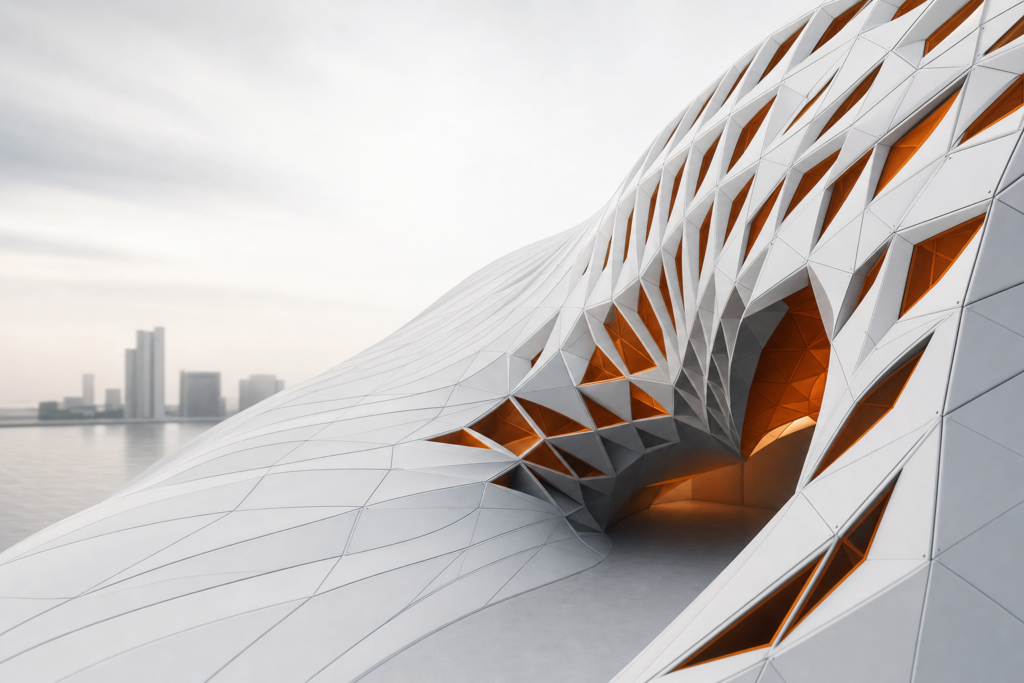
Parametric design architecture is a computational approach where algorithms and design parameters guide the creation and optimization of architectural forms. Instead of manually drafting every detail, architects define relationships and rules that adapt dynamically to changing inputs. For example, a parametric model can automatically adjust a building’s façade to optimize sun angles and structural loads, enhancing both aesthetics and performance. This adaptability allows designers to explore multiple iterations efficiently, optimizing for environmental factors, material constraints, or client requirements. Such an approach transforms design from static drawings into an interactive process, enabling more informed decisions throughout the project lifecycle (ScienceDirect on parametric design).
The Evolution of Parametric Tools
Parametric design tools were once the domain of large firms and starchitects due to their complexity and cost. However, software like Rhino and its visual programming plugin Grasshopper have democratized access to these capabilities. Rhino offers a versatile 3D modeling environment, while Grasshopper allows users to create parametric algorithms without extensive coding knowledge. This combination has lowered the learning curve and financial barrier for small firms, enabling them to tackle complex geometries and optimize designs previously out of reach. Today, these tools support everything from freeform roofs to repetitive façade components, making parametric workflows practical and valuable for smaller practices (Rhino for Architecture).
Use Cases for Small Architecture Firms
Small firms can leverage parametric design to address real-world challenges efficiently. Generative design techniques allow architects to explore numerous design options quickly, optimizing for parameters such as daylight access, spatial layouts, or material use. Computational design helps automate repetitive tasks and analyze environmental impacts early in the process. For instance, a boutique firm might use Grasshopper to create a custom façade pattern that responds to site-specific solar conditions, enhancing energy efficiency while maintaining aesthetic goals. These approaches help small teams deliver innovative solutions that compete with larger firms, aligning creativity with practicality (Ladybug Tools for climate-informed design).
Roof Geometry and Façade Studies
Parametric design excels in solving complex roof geometries and façade challenges. By defining rules and constraints, architects can generate optimized roof forms that balance structural integrity, water drainage, and daylight penetration. For example, a parametric model might adjust roof slopes based on wind loads or solar orientation, ensuring both performance and visual appeal. Similarly, façade optimization involves manipulating building morphology and glazing ratios to improve energy savings and occupant comfort. Research shows that performance-based parametric façade design can significantly reduce energy consumption by tailoring window placement and shading devices to environmental data (Facade Tectonics research).
Material Cutting and Optimization
Material efficiency is another critical benefit of parametric design. Algorithms can generate cutting patterns that minimize waste during fabrication. For example, panel unfolding and nesting algorithms allow architectural panels to be laid out optimally on raw material sheets, reducing scrap and lowering costs. A construction research case study demonstrated that these techniques significantly decrease fabrication waste in panel systems, which is especially valuable for small firms managing tight budgets and sustainability goals (ASCE study on material optimization).
Risks and Learning Curve
Adopting parametric design does come with challenges. There is an initial investment in training and software acquisition, and the learning curve can be steep for novices. Cognitive barriers, such as understanding algorithmic thinking, may slow early progress. Common pitfalls include overcomplicating models or failing to document algorithms clearly, which can lead to errors or inefficiencies. However, research into architectural education suggests that guided learning and incremental complexity help users overcome these hurdles. Small firms can mitigate risks by starting with simple projects and leveraging community resources and tutorials to build confidence (UCL research on parametric design learning curves).
Workflow Example for Small Practices
A typical parametric design workflow in a small firm might begin with defining project goals and constraints, such as site conditions, client requirements, and material availability. Next, the architect creates a base model in Rhino and develops parametric scripts in Grasshopper to explore design variations. Environmental analysis tools like Ladybug can be integrated for climate feedback. After iterative refinement, the model informs detailed drawings and fabrication data. Key decision points include parameter selection, performance criteria prioritization, and balancing complexity with usability. This workflow enables rapid exploration while maintaining control over design quality and cost (Rhino architecture workflows).
Starter Checklist for Small Practices
- Acquire Rhino and Grasshopper software licenses.
- Explore beginner tutorials and online courses focusing on parametric design basics.
- Experiment with simple projects, such as parametric façade patterns or basic roof forms.
- Join user forums and communities for peer support and knowledge sharing.
- Integrate environmental analysis tools like Ladybug for climate-informed design.
- Document workflows and scripts carefully for future reference.
- Seek feedback from clients and collaborators to refine parametric approaches.
This checklist, verified by experts in the field, helps small firms start confidently and build parametric skills progressively.
Next Steps in Parametric Design
To deepen your parametric design expertise, consider enrolling in specialized courses and workshops offered by software vendors and architectural institutes. Engage with online communities, such as Grasshopper forums and Rhino user groups, to exchange tips and troubleshoot challenges. Experiment regularly with new projects to apply concepts and expand your toolkit. Official resources like the Rhino architecture page and Ladybug Tools provide valuable documentation and examples. Embracing parametric design tools today equips small firms to deliver innovative, efficient, and sustainable architecture tomorrow.
