
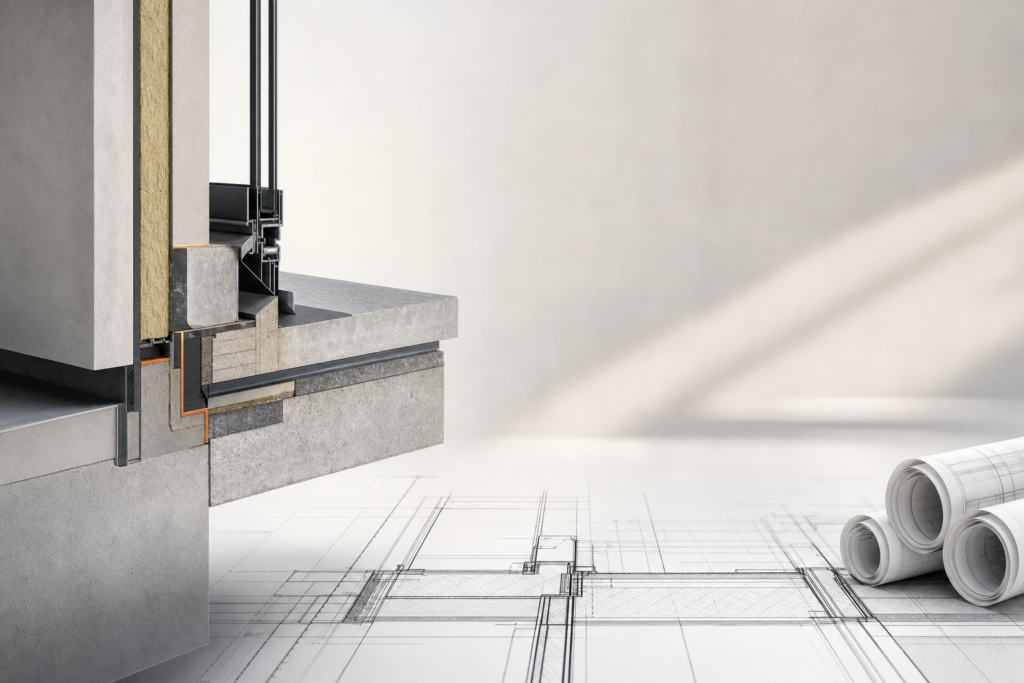
What Architectural Details Show
Architectural details are the thoughtfully drawn elements within construction documents that communicate how different components of a building come together. They bridge the gap between design intent and physical construction, ensuring that aesthetics and functionality coexist harmoniously. For example, the intricate stone façade details of the Guggenheim Museum demonstrate how details elevate a building’s character while addressing structural needs.
Builders and architects alike emphasize that these details are not merely decorative but critical to preventing failures. As seasoned professionals note, well-crafted details are the “blueprints of durability and beauty” in architecture.
How to Read Lines, Layers, and Annotations
Understanding architectural drawings starts with deciphering the language of lines, layers, and annotations. Lines vary in thickness and type—solid, dashed, or dotted—to indicate different materials or boundaries. Layers separate elements such as structural framing, insulation, or finishes, allowing clearer visualization.
Annotations provide essential context, including material specifications, dimensions, and cross-references. For instance, a section drawing will use specific symbols to denote insulation type, fasteners, or vapor barriers. The National CAD Standard offers authoritative guidance on these conventions, making it easier to identify key elements like junctions or material transitions.
Waterproofing and Drainage Clues
Waterproofing is a cornerstone of building durability. Architectural details must clearly show waterproofing lines and flashing to direct water away from vulnerable junctions. A common pitfall is relying solely on sealants without proper drainage planes, which can lead to costly failures.
The concept of drainage planes, as explained in Building Science Digest 105, highlights the importance of integrating flashing and shingle-lap logic to channel water down and out. In drawings, waterproofing lines often appear as thick dashed or hatched lines, signaling membranes or coatings. Recognizing these symbols helps prevent moisture intrusion and subsequent damage.
Insulation and Thermal Continuity
Ensuring continuous insulation is vital for thermal performance and energy efficiency. Architectural details should depict insulation layers without gaps or breaks that cause thermal bridging, where heat escapes through framing members.
The Building Science Energy Solutions Center explains how continuous exterior rigid insulation reduces heat loss. In drawings, look for uninterrupted insulation layers and vapor control membranes that maintain thermal continuity. A building scientist once emphasized, “Thermal breaks in insulation are the Achilles’ heel of energy-efficient design.” Spotting these layers in junction drawings helps designers and builders avoid costly performance issues.
Tolerances and Buildability
Construction tolerances define acceptable dimensional variations that ensure a detail can be built as intended. Overly precise dimensions may render a detail unbuildable, while loose tolerances risk poor fit and finish.
For example, a case study highlighted in the AIA Best Practices guide showed how ignoring tolerances led to misaligned curtain wall panels, necessitating costly rework. The decision rule here is straightforward: if a dimension is critical for fit, specify a tight tolerance; if not, allow reasonable variation to accommodate site conditions.
Understanding tolerances helps maintain quality and avoid common pitfalls such as gaps or overlaps that compromise performance and aesthetics.
Common Detail Failures
Several recurring mistakes undermine architectural details. These include insufficient waterproofing, interrupted insulation, and ignoring tolerances. A classic example is a failed junction detail where flashing was omitted, leading to water infiltration and rot.
Construction experts warn that overlooking these issues in drawings is a leading cause of building failure. The key to spotting potential problems is scrutinizing junction drawings for continuity of materials and proper integration of components. Preventive measures include cross-checking details against best practices and field conditions.
Annotated Example Details
Consider an annotated section drawing illustrating a wall-to-roof junction. Key elements such as the waterproof membrane, insulation layer, vapor barrier, and flashing are clearly labeled. Each annotation explains the purpose—such as directing water away or maintaining thermal continuity.
Comparing this to a non-annotated version shows how annotations clarify complex interactions, making it easier to communicate intent and check buildability. When creating annotations, focus on clarity and relevance to critical performance factors.
Practical Checklist for Site Meetings
To effectively review architectural details on-site, use a checklist that includes verifying waterproofing integrity, insulation continuity, and adherence to tolerances. Ask questions like: Are flashing details correctly installed? Is insulation continuous without gaps? Are dimensional tolerances within acceptable ranges?
The NIBS Building Enclosure Commissioning Guidelines provide sample checklists supporting design reviews and construction observation. Using such tools ensures that details are executed as intended, reducing the risk of costly corrections later.
People Also Ask: What are the Architectural Details?
Architectural details explained simply are the specific drawings or specifications that show how parts of a building fit together, addressing both functional and aesthetic concerns. They elevate a building’s design by resolving complex junctions, such as where a window frame meets an exterior wall, ensuring durability and style.
For instance, the detailed cornice work on historic buildings not only adds visual interest but also protects the structure from weather damage, demonstrating the dual role of architectural details.
Mastering the interpretation of these details empowers designers and builders to create buildings that perform well and look great.
Ready to sharpen your skills? Download our detailed checklist for site meetings to confidently review architectural details and ensure your projects succeed from drawing board to construction site.
