
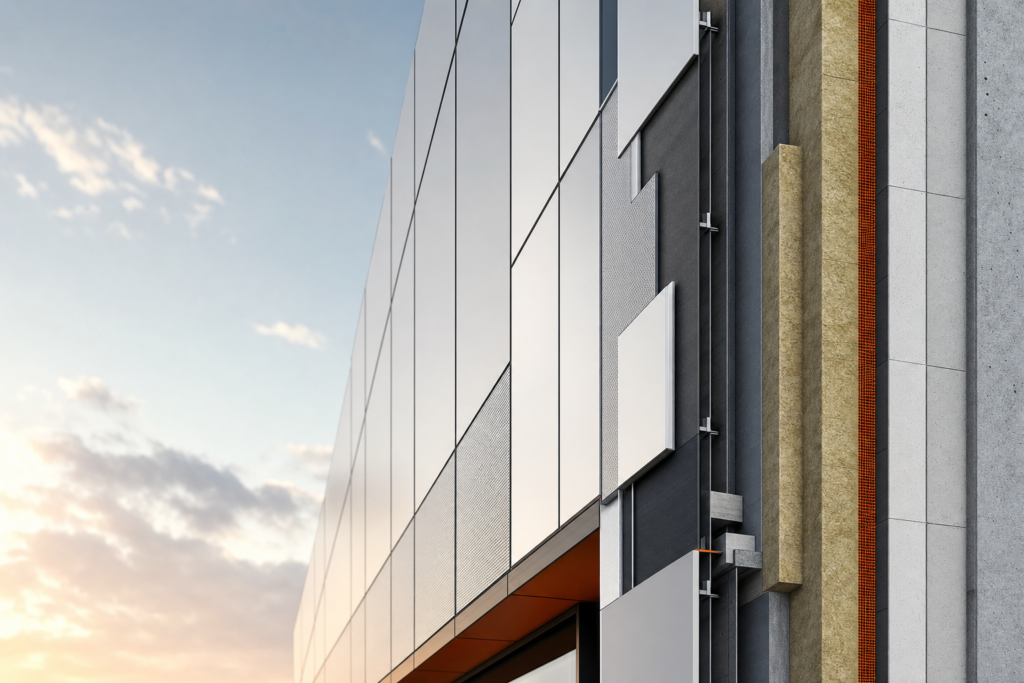
What is Building Envelope Design?
Building envelope design refers to the comprehensive planning and construction of the physical separator between the interior and exterior environments of a building. This design is pivotal in architectural and engineering practices because it dictates how a building interacts with its surroundings, affecting comfort, energy efficiency, and durability.
According to architectural experts, the building envelope serves three fundamental categories of functions: Support, Control, and Finish. Support relates to the structural elements that bear loads; Control involves managing heat, air, moisture, and other environmental factors; and Finish focuses on aesthetics and protection. For a detailed understanding, the Building Science Digest offers an authoritative explanation of these roles.
Successful examples of building envelopes include high-performance façades that seamlessly integrate insulation and air barriers, resulting in comfortable indoor climates and reduced energy use.
Envelope Layers and Their Jobs
The building envelope is composed of multiple layers, each with distinct functions that work together to protect the building and enhance performance.
- Structural Support: The foundational layer that carries loads and provides stability.
- Insulation: Reduces heat transfer, maintaining indoor temperature.
- Vapour Control: Regulates moisture diffusion to prevent condensation and mold growth.
- Air Barrier: Limits air leakage, improving energy efficiency and indoor air quality.
- Water-Resistive Barrier and Drainage Plane: Prevents water intrusion and directs moisture away from the structure.
- Exterior Finish: Provides aesthetic appeal and additional protection.
These layers interact intricately; for example, the placement of vapour control relative to insulation influences condensation risk. The Building Science Insights newsletter provides diagrams and case studies illustrating these complex relationships.
Water, Air, Vapour, and Heat Control
Managing environmental factors is a core challenge in building envelope design. Airtightness and vapour control are particularly crucial for energy efficiency and durability.
Airtightness minimizes uncontrolled air leakage, which can lead to heat loss and moisture problems. Vapour control layers prevent moisture accumulation within wall assemblies, protecting against rot and mold.
For instance, if a building is located in a cold climate, it is essential to place vapour retarders on the warm side of the insulation to prevent condensation inside the envelope. Conversely, in hot and humid climates, different strategies apply to allow drying toward the exterior.
The Energy Saver guide explains how moisture moves through building assemblies and how dew point risks can be managed through proper air sealing and vapor diffusion retarders.
Rainscreens and Façades
Rainscreen cladding is a sophisticated façade system designed to protect the building from rainwater penetration while promoting drying. It operates on the principle of two lines of defense: a primary weather barrier and a secondary drainage plane behind the cladding.
This system minimizes water intrusion, intercepts moisture, and dissipates it effectively, enhancing the envelope’s durability. A well-designed façade system balances functionality with aesthetics, offering architects creative freedom while ensuring performance.
The Canadian government research provides an in-depth explanation of the rainscreen principle and its benefits.
Insulation and Airtightness
Insulation plays a vital role in reducing thermal bridges—areas where heat flow is more pronounced due to material or design discontinuities. Continuous thermal insulation is central to achieving a high-performance building envelope.
Airtightness complements insulation by preventing air leakage that can undermine thermal performance and cause moisture issues. For example, if airtightness is compromised, warm moist air can infiltrate cold wall cavities, leading to condensation regardless of insulation quality.
The DOE guidance emphasizes the importance of continuous insulation and air-barrier continuity to optimize energy conservation.
Common Envelope Failure Points
Despite careful design, building envelopes can fail if key points are overlooked. Typical failure points include:
- Poorly sealed joints and penetrations leading to air and water leaks.
- Thermal bridging at structural elements or window frames causing heat loss.
- Incorrect placement of vapour barriers causing condensation.
- Inadequate drainage leading to water accumulation and material degradation.
A common pitfall is neglecting continuity in the air barrier during installation. To avoid this, a decision rule is: if all penetrations and joints are sealed continuously, then air leakage is minimized; if not, perform a blower door test and seal leaks accordingly. Regular inspections and quality control during construction are essential preventive measures.
Why Envelope Design Affects Comfort and Durability
The design of the building envelope directly influences indoor comfort by controlling temperature, humidity, and air quality. A robust envelope reduces drafts, cold spots, and moisture issues, creating a healthier living environment.
Durability is enhanced through proper moisture management and material selection, extending the building’s lifespan and reducing maintenance costs. Architects and developers often testify that investing in quality envelope design pays off in occupant satisfaction and long-term value.
Detail Checklist for Robust Envelopes
Designing an effective building envelope involves a thorough checklist to ensure all aspects are addressed:
- Ensure structural support accommodates loads and integrates with envelope layers.
- Specify continuous insulation to minimize thermal bridging.
- Design and locate vapour control layers appropriate to climate and building use.
- Incorporate a continuous air barrier with sealed joints and penetrations.
- Implement water-resistive barriers and rainscreen drainage planes.
- Select durable exterior finishes compatible with environmental exposure.
- Plan for quality control during construction to maintain envelope integrity.
Industry standards and guides provide detailed checklists that can be adapted to specific projects, ensuring comprehensive coverage.
Explore Further Building Envelope Solutions
Building envelope technology is continually evolving, offering new materials and strategies to improve performance. For those interested in deepening their knowledge, consulting educational resources and engaging with building science experts is invaluable.
Exploring specialized guides and participating in professional forums can provide insights into advanced solutions tailored to diverse climates and building types. This ongoing learning journey supports better decision-making and innovation in building envelope design.
Ready to enhance your understanding and skills? Dive into the wealth of expert resources and consider collaborating with building envelope specialists to create structures that stand the test of time while maximizing comfort and efficiency.
