
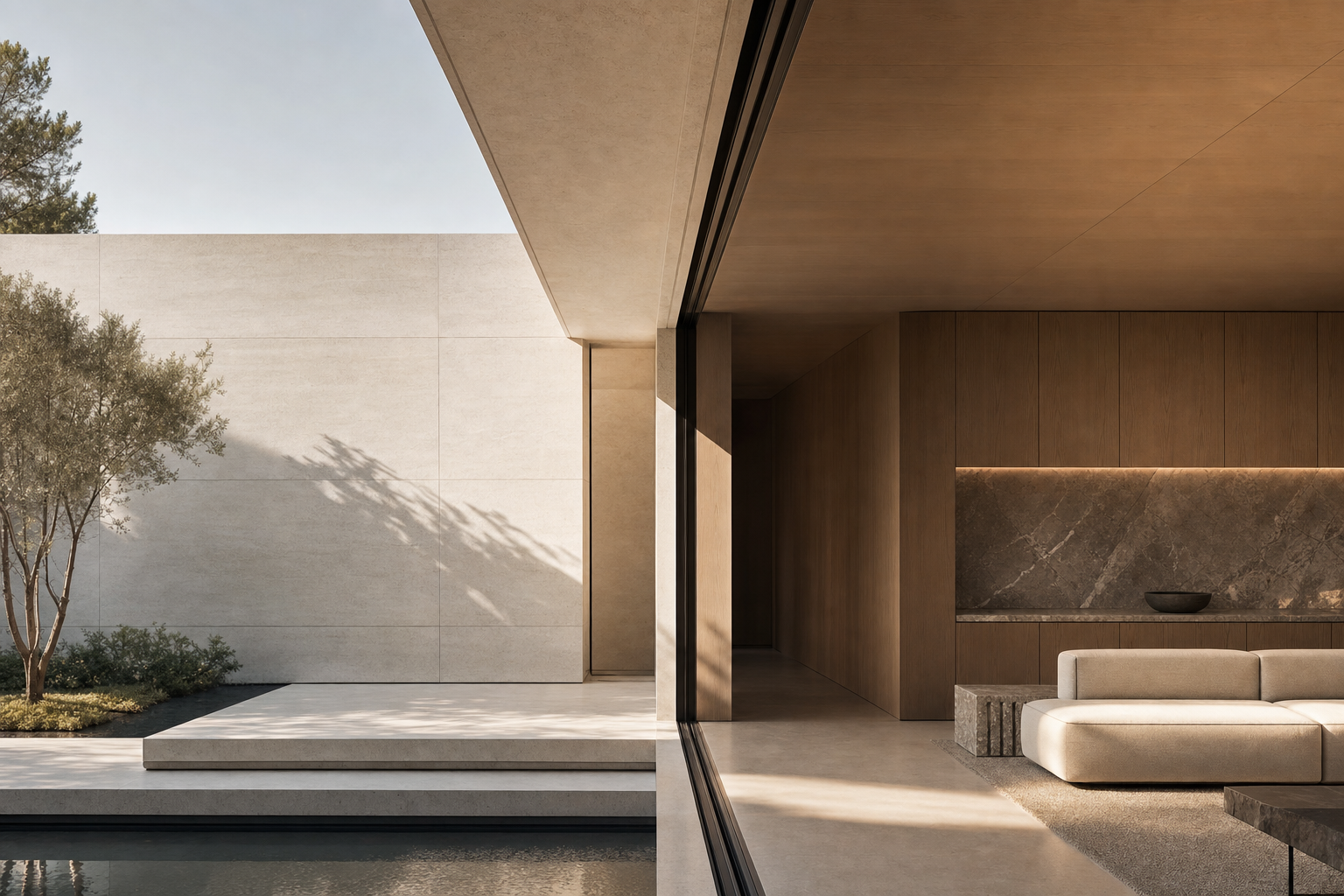
What Makes a Building Feel Expensive? Lessons From Boutique Architecture
Define What Makes Boutique Architecture Feel Expensive
Boutique architecture refers to smaller, specialized architectural practices characterized by personalized service and principal-led design involvement. Unlike larger firms that often rely on standardized processes and multiple layers of management, boutique firms focus on crafting unique, tailored solutions that respond intimately to a project’s context and client needs. This hands-on approach often results in a higher perceived quality and a distinctive sense of place.
For example, Studio CKP exemplifies boutique architecture by emphasizing bespoke design elements and careful material selection to create spaces that feel both refined and authentic. This contrasts with more generic, mass-produced architectural approaches where uniformity and cost-efficiency might overshadow nuanced design considerations. The personal attention and craft inherent in boutique projects contribute significantly to a building’s expensive feel, elevating it beyond mere function to an experience of quality and care (Studio CKP on boutique architecture firms).
Proportion and Spatial Discipline
Architectural proportion and spatial sequencing are foundational to creating spaces that resonate with luxury. Proportion refers to the harmonious relationship between the dimensions of different elements within a building, while spatial sequencing describes the deliberate arrangement and flow of spaces to guide experience.
When proportion and spatial sequencing are thoughtfully applied, they produce a rhythm and balance that feels intuitively right, enhancing the perception of quality. For instance, a high-end residential design might use carefully calibrated ceiling heights and room dimensions to create a sense of openness without excess, guiding occupants through a sequence of spaces that feel both deliberate and inviting.
One common pitfall is neglecting spatial discipline by overcomplicating layouts or using disproportionate scale, which can make even expensive materials feel out of place. Avoid this by prioritizing simplicity and coherence in spatial relationships. The National Park Service’s guidance on architectural character highlights how spatial sequences and proportions contribute to a building’s architectural quality.
Material Restraint Over Material Cost
Luxury in architecture is less about the price tag of materials and more about restraint and intentionality in their use. Material restraint means selecting a limited palette of high-quality, well-understood materials and using them consistently and thoughtfully throughout a project.
For example, the Therme Vals project uses restrained stone materiality to create a tactile, sensory experience that feels both timeless and luxurious. Instead of mixing numerous materials, the design focuses on the qualities of stone, light, and shadow to evoke a rich atmosphere (Therme Vals case study).
A useful decision rule is: if a material doesn’t contribute to the overall sensory or visual experience, simplify or eliminate it. This avoids the common mistake of overloading a design with varied materials that dilute the sense of cohesion and quality. Glenn Murcutt’s one-person practice exemplifies this principle by focusing on a few carefully chosen materials and environmental details to achieve elegance without excess (Murcutt’s approach).
Junctions, Reveals, and Shadow Gaps
Detailing—how different materials and components meet—is critical in elevating perceived quality. Junctions, reveals, and shadow gaps are subtle architectural features that create crisp lines, depth, and shadow, contributing to a building’s refined appearance.
Junctions refer to the meeting points of materials or elements, reveals are intentional recesses or offsets, and shadow gaps are narrow spaces that cast shadows to articulate form. When executed with precision, these details demonstrate craftsmanship and attention to quality.
Visual examples of successful detailing often show narrow joints and clean transitions that feel seamless yet intentional. Avoid the pitfall of sloppy or inconsistent junctions, which quickly undermine luxury. The National Design Guide emphasizes how detailing through junctions and reveals contributes to perceived design quality.
Lighting and Daylight
Light quality dramatically influences how spaces are perceived and experienced. Natural daylight, combined with layered artificial lighting, enhances texture, highlights materiality, and shapes mood.
Effective lighting design considers daylighting, glare control, surface reflectance, and the balance between ambient and accent lighting. For instance, the GSA’s guidelines on high-performance lighting recommend daylight analysis and layered lighting to optimize comfort and perception.
Projects like Therme Vals use controlled circulation of light and shade to create a sensory experience that feels both intimate and expansive, reinforcing the luxurious character of the architecture. A common error is relying solely on uniform artificial lighting, which can flatten textures and diminish spatial richness.
Texture and Tactility
Texture adds depth and sensory richness to architectural spaces, engaging occupants beyond the visual to the tactile. Carefully selected tactile materials invite touch and create a more intimate connection with the environment.
For example, the use of natural stone with varied surface finishes or finely crafted wood can heighten the sense of luxury by appealing to both sight and touch. Texture also helps break monotony and adds layers of interest.
The Preservation Brief 17 underscores the importance of surface finishes and material texture as character-defining qualities. Avoid smooth, featureless surfaces that feel cheap or sterile. Instead, integrate tactility to enrich user experience.
Where to Spend vs. Where to Simplify
Strategic allocation of resources is essential in boutique architecture to balance perceived quality with budget constraints. The rule of thumb is: spend on elements that are highly visible and tactile, such as entryways, junction details, and primary materials, and simplify where details are less noticed, like secondary corridors or service areas.
For example, investing in high-quality joinery with narrow shadow gaps at main living spaces creates a lasting impression, while using simpler finishes in back-of-house areas controls costs. Before-and-after examples often reveal how focusing detail and material quality in key areas transforms the overall perception of luxury.
A common pitfall is trying to apply high-end finishes uniformly everywhere, which can lead to budget overruns or inconsistent quality. Prioritize perceived quality by concentrating effort and expense where it counts most.
People Also Asked: What is a Boutique Architecture Firm?
A boutique architecture firm is a smaller, specialized practice that offers personalized design services with principal involvement throughout the project lifecycle. These firms distinguish themselves by focusing on tailored solutions, high craftsmanship, and close client relationships rather than volume or standardized processes.
This approach allows boutique firms to deliver nuanced, high-quality designs that respond to context and client vision, often resulting in buildings that feel more luxurious and thoughtfully crafted. Studio CKP provides a clear definition and insight into the unique aspects of boutique firms (Studio CKP on boutique firms).
Next Steps in Exploring Boutique Architecture
To deepen your understanding of boutique architecture principles, explore resources such as the National Design Guide for comprehensive frameworks on design quality. Applying these principles in your projects can elevate perceived quality through thoughtful proportion, material restraint, detailing, lighting, and texture.
Consider analyzing case studies like Therme Vals to see these concepts in action, and experiment with prioritizing where to spend and simplify in your designs. Engaging with boutique architecture strategies will help you create spaces that feel genuinely expensive and enduring.