
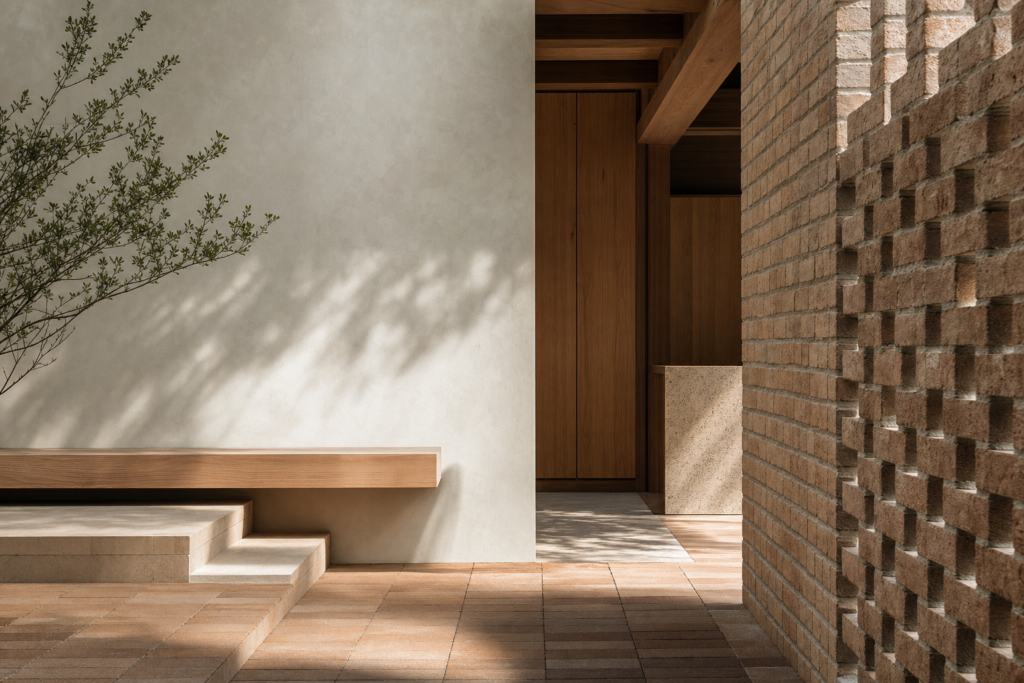
The Return of Craft in Modern Construction
The resurgence of craft in modern construction is more than a nostalgic nod to the past; it is a thoughtful integration of tactile materials and skilled workmanship that enriches contemporary building practices. For interior designers, architects, and developers, understanding this trend is key to delivering projects that resonate on both aesthetic and functional levels.
Define Craft in Modern Construction
In construction, craft refers to the skilled labor and artistry involved in shaping, assembling, and finishing building materials to create structures that are both beautiful and durable. Historically, craft encompassed traditional skills such as masonry, joinery, tile-making, and plastering, often passed down through apprenticeships and practiced by artisans.
Modern construction craft retains these core skills but adapts them to contemporary contexts, blending traditional techniques with new materials and technologies. This evolution aligns with current trends emphasizing sustainability, authenticity, and tactile engagement with building materials.
By embracing craft in modern construction, professionals can create spaces that connect occupants to natural materials and time-honored methods, enhancing both the sensory experience and the building’s longevity.
Why Tactile Construction is Returning
The return to tactile construction methods is driven by a growing desire for environments that offer psychological comfort and sensory richness. Research in biophilic design highlights how natural materials like wood and stone foster feelings of well-being and satisfaction, contrasting sharply with the sterility of many modern, industrialized builds. These tactile materials invite touch and visual appreciation, creating a deeper connection between people and their surroundings.
Additionally, sustainability concerns motivate the use of natural, locally sourced, and renewable materials. Tactile construction supports environmental goals by reducing reliance on synthetic products and promoting longevity through quality workmanship.
Industry experts note that this trend reflects a broader cultural shift towards valuing authenticity and environmental stewardship, making tactile materials a compelling choice for forward-thinking projects.
Brick, Timber, Tile, and Plaster Examples
Concrete examples of craft in modern construction include the use of brick bonds, timber joinery, handmade tiles, and lime plaster, each illustrating how traditional techniques enhance both aesthetics and performance.
Brickwork involves various bonds—structural, pattern, and mortar bonds—that influence the wall’s strength and texture. For instance, the different brick bonds and patterns not only provide structural integrity but also create visually engaging surfaces that celebrate craftsmanship.
Timber joinery showcases the precision and skill required to interlock wood components without relying solely on mechanical fasteners. This method not only honors traditional woodworking but also contributes to the building’s durability and sustainability.
Handmade tiles and lime plaster are other examples where craft shines. Lime plaster, for example, is prized for its breathability and compatibility with historic materials, as detailed in preservation-quality work guides. These materials require expert application to achieve their full benefits, underscoring the importance of skilled labor.
A mini-example: A modern residential project might combine hand-laid brick walls with exposed timber joinery, creating a tactile environment that celebrates natural textures while ensuring structural soundness.
Craft vs Decoration
It is crucial to distinguish genuine craft from superficial decoration. While decoration adds surface embellishment, craft involves the authentic application of skills that contribute to a building’s function and longevity. Authentic craftsmanship is embedded in the construction process itself, resulting in workmanship that enhances the building’s character and performance.
Projects that prioritize craft over mere decoration tend to offer greater value, both aesthetically and in terms of durability. Experts emphasize that true craft reflects a commitment to quality and authenticity, not just visual appeal.
A common pitfall is to mistake decorative finishes for craft, which can lead to disappointment when the surface wears prematurely or lacks depth. To avoid this, ensure that craft elements are integral to the structure and materials, not just applied superficially.
Cost and Labour Realities
Integrating craft techniques involves navigating cost and labor realities thoughtfully. Skilled craft labor often commands higher wages due to specialized training and experience. According to the U.S. Bureau of Labor Statistics, construction craft laborers and helpers undergo apprenticeships and possess skills that justify their compensation.
Cost factors include longer installation times and the need for quality materials. However, these upfront investments can lead to savings over time through improved durability and reduced maintenance.
A decision rule for project managers: If the project budget and timeline allow, prioritize craft techniques for key elements that will benefit from longevity and aesthetic value; if not, consider hybrid approaches that combine craft with efficient methods to balance cost and quality.
How Craft Affects Ageing and Repair
Craftsmanship significantly influences how buildings age and how easily they can be repaired. Traditional masonry craft, for example, results in structures that can be repointed and maintained using compatible materials like lime mortar, preserving the building’s integrity over decades or centuries.
Historical buildings with enduring craftsmanship demonstrate the longevity of quality workmanship. Modern projects that incorporate these principles benefit from easier maintenance and repair, reducing long-term costs and environmental impact.
Understanding construction workmanship and how materials interact is essential for specifying repair techniques that respect the original craft and ensure the building’s continued performance.
Modern Projects Using Traditional Skills
Contemporary projects increasingly blend traditional skills with modern technology. The Brooklyn Mass Timber House exemplifies this by combining historic brick walls with mass timber technology, achieving sustainability, construction efficiency, and material longevity.
Artisans play a vital role in these projects, bringing expertise that bridges past and present methods. Their involvement ensures that the craft is not lost but evolves to meet today’s design and environmental standards.
Specification Checklist for Craft-Led Details
Incorporating craft into construction requires careful specification. A practical checklist includes:
- Selecting authentic, compatible materials that support durability and maintenance.
- Engaging skilled labor with proven experience in traditional techniques.
- Planning for appropriate timelines that allow for meticulous workmanship.
- Ensuring design details emphasize structural and aesthetic integration rather than mere decoration.
- Consulting industry standards and expert guidance to tailor specifications to project needs.
Following such a checklist helps avoid common pitfalls like incompatible materials or rushed installations that undermine craft quality.
What is a Craft in Construction?
Construction craft labor encompasses the skilled trades involved in building, such as masonry, carpentry, tile-setting, and plastering. These trades require specialized knowledge and hands-on expertise to execute tasks that shape the built environment.
The Bureau of Labor Statistics outlines typical jobsite tasks and apprenticeship pathways, emphasizing the importance of training and experience in developing craft skills. Recognizing these roles clarifies the value craft labor brings to construction projects.
Explore Craft Techniques in Your Projects
To incorporate craft in your projects, consider engaging with workshops and courses that focus on traditional construction skills. Connecting with craft specialists and artisans can provide valuable insights and hands-on expertise.
Exploring these resources empowers designers and developers to specify authentic materials and techniques confidently, ensuring that their projects benefit from the enduring value of craft in modern construction.
Taking the next best action—whether attending a local craft workshop or consulting with skilled tradespeople—can transform your approach and elevate your project outcomes.
