
Understanding Adaptive Reuse Architecture
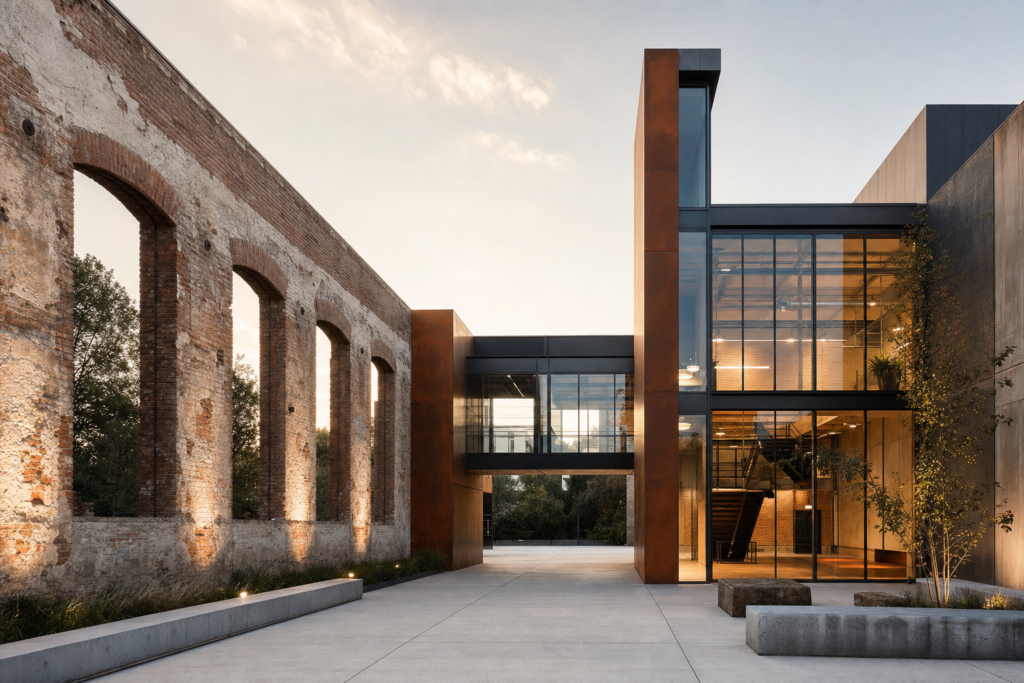
Adaptive reuse architecture refers to the process of repurposing old or existing buildings for new uses, rather than demolishing them and constructing new structures from scratch. Unlike traditional renovation, which often focuses on restoring a building to its original condition, adaptive reuse embraces transformation—converting, extending, and upgrading spaces to meet contemporary needs while maintaining their core structural and cultural essence.
This approach is gaining popularity as designers, developers, and communities recognize the value in preserving architectural heritage and reducing environmental impact. Historical examples include the conversion of former industrial warehouses into loft apartments or commercial spaces, showcasing how buildings can find new life through thoughtful adaptation. Today, the trend continues to grow, supported by increasing awareness of sustainability and economic benefits, making adaptive reuse architecture a smart choice for the future.
Why Reuse Often Beats Demolition
Choosing reuse over demolition offers both environmental and economic advantages. Demolition generates massive amounts of waste—construction and demolition debris in the U.S. alone totaled an estimated 600 million tons in 2018, with demolition activities accounting for over 90% of this volume. By preserving existing structures, adaptive reuse significantly reduces this waste stream and the associated environmental burden.
Economically, reuse can lead to substantial cost savings. For example, adaptive reuse projects often avoid expenses related to site clearance, foundation work, and new material procurement. Moreover, preserving heritage buildings adds cultural value and supports local economies by maintaining community identity and attracting tourism. As the National Trust for Historic Preservation points out in its report, building reuse is often the “greenest” choice, outperforming new construction in life-cycle assessments across various climates and building types.
Industry experts emphasize that demolition not only wastes materials but also the embodied energy invested in existing buildings. Therefore, when feasible, reuse should be prioritized to maximize environmental stewardship and economic efficiency.
Structural and Planning Constraints
Adaptive reuse projects face unique challenges, particularly regarding structural integrity and regulatory compliance. Existing buildings may have outdated structural systems, hidden damages, or limitations that complicate conversion efforts. A thorough structural assessment is essential to identify load capacities, material conditions, and potential hazards.
Planning and zoning regulations can also pose hurdles. Many jurisdictions have specific codes for alterations, additions, or changes of occupancy in existing buildings, as outlined in the International Existing Building Code. Navigating these requirements demands careful coordination with local authorities and creative design solutions to meet safety and usability standards without compromising historic features.
One effective strategy is engaging interdisciplinary teams early in the project to address structural and code challenges holistically. This proactive approach helps avoid costly redesigns and ensures smoother approvals.
The Embodied Carbon Case for Reuse
Embodied carbon—the total greenhouse gas emissions associated with building materials and construction processes—is a critical factor in sustainable architecture. Adaptive reuse dramatically reduces embodied carbon by retaining existing structural elements and minimizing new material production.
Data from the Carbon Assessment for Reuse Tool (CARE) demonstrates that reusing and upgrading buildings can cut carbon emissions significantly compared to demolition and new construction. This reduction contributes to lowering the overall carbon footprint of the built environment, aligning with global climate goals.
Designers and developers can leverage embodied carbon calculations to make informed decisions, prioritizing reuse when the carbon savings outweigh the costs and challenges of refurbishment.
Design Strategies for Old Buildings
Successful adaptive reuse relies on reuse-led design principles that respect the building’s original character while introducing modern functionality. Key strategies include:
1. Selective preservation: Retaining significant architectural features that define the building’s identity.
2. Flexible layouts: Designing adaptable spaces that can accommodate changing uses over time.
3. Integrating new systems discreetly: Concealing HVAC, electrical, and plumbing upgrades to preserve aesthetics.
For instance, the transformation of a former factory into a mixed-use space might highlight exposed brick walls and timber beams while incorporating sleek, modern interiors. Such projects demonstrate how adaptive reuse can blend heritage with innovation.
Risks Around Services, Moisture, and Fire
Adaptive reuse projects must carefully manage risks related to building services, moisture intrusion, and fire safety. Upgrading HVAC, electrical, and fire suppression systems in older buildings can be complex, potentially impacting historic fabric and structural elements if not planned thoroughly. The National Park Service Preservation Brief highlights that improper installation can lead to moisture problems or compromise fire resistance.
Common pitfalls include neglecting moisture barriers during retrofits, which can cause deterioration and mold, or failing to meet modern fire codes, risking occupant safety. To avoid these issues, projects should incorporate comprehensive risk assessments and engage specialists in historic building systems early in the design process.
Notable Adaptive Reuse Examples
Several landmark projects showcase the potential of adaptive reuse. The Musée du Louvre in Paris exemplifies how historic structures can be adapted to serve new functions without losing their cultural significance. Originally a fortress and royal palace, the Louvre’s transformation into a museum involved sensitive design interventions that preserved its heritage while accommodating millions of visitors annually.
Other international examples include warehouses converted into residential complexes, churches repurposed as community centers, and industrial sites transformed into innovation hubs. These projects underline the versatility and value of adaptive reuse across building types and contexts.
Decision Checklist for Reuse vs Rebuild
When deciding between adaptive reuse and rebuilding, consider the following checklist:
– Structural condition: Is the existing building sound enough to support new uses?
– Heritage value: Does the building have cultural or historical significance worth preserving?
– Environmental impact: Will reuse reduce embodied carbon compared to new construction?
– Cost comparison: Are the renovation costs competitive with demolition and rebuild expenses?
– Planning and zoning: Are there regulatory barriers to reuse or incentives that favor it?
If the answer to most of these questions favors preservation, adaptive reuse is likely the smarter choice. Otherwise, rebuilding may be justified. Professionals often find that early feasibility studies and stakeholder consultations improve decision-making and project outcomes.
Explore More Adaptive Reuse Projects and Strategies
To deepen your understanding of adaptive reuse architecture, explore resources like the American Institute of Architects’ guide on renovate, retrofit, and reuse, which offers case studies and best practices. Engaging with professional communities and attending workshops or webinars can also provide valuable insights and networking opportunities.
Adaptive reuse is a dynamic field where creativity meets sustainability, offering rewarding challenges and significant benefits. Whether you’re an interior designer, architect, or developer, embracing these strategies can position you at the forefront of responsible and innovative building design.
Explore more adaptive reuse projects and strategies to stay informed and inspired as you contribute to shaping the future of the built environment.
