What is Circular Construction?
Circular construction is a building approach that focuses on designing and managing structures so materials can be reused, recycled, or repurposed at the end of their life, instead of being discarded. Unlike traditional construction, which often follows a linear model of take-make-waste, circular construction aims to create a closed-loop system where resources continuously flow back into use. This means buildings are designed not just for their initial function but with their entire lifecycle in mind, minimizing waste and environmental impact.
In simple terms, circular construction is about building smarter and greener by planning for reuse and regeneration from the start. The Ellen MacArthur Foundation contrasts this with conventional construction’s linear model, emphasizing how circular principles can transform the built environment.
Why Construction Waste is the Problem
Construction and demolition activities generate massive amounts of waste globally. In the U.S. alone, the Environmental Protection Agency estimated that over 600 million tons of construction and demolition debris were produced in 2018. This staggering volume contributes significantly to landfill use and environmental degradation.
Beyond environmental harm, this waste represents lost economic value. Materials discarded could often be salvaged or recycled, reducing the need for new resource extraction and lowering costs. Embracing a circular economy in construction addresses these issues by keeping materials in use longer and reducing waste streams.
Design for Disassembly Principles
Design for disassembly (DfD) is a key strategy within circular construction. It involves designing buildings so that components can be easily taken apart without damage, enabling reuse or recycling. This contrasts with traditional methods that prioritize permanent assembly, making future deconstruction costly and wasteful.
Key principles of DfD include using reversible fixings, standardizing components, and avoiding mixed materials that are hard to separate. Benefits include extended building life, adaptability to changing needs, and reduced waste. For example, the American Institute of Architects provides guidance on design strategies that support adaptability and reuse in architecture, illustrating practical ways to implement DfD.
Reclaimed Material Specification
Reclaimed materials are building elements salvaged from old structures and repurposed in new projects. Specifying these materials requires careful sourcing to ensure quality, safety, and compliance. For instance, reclaimed wood must be inspected for structural integrity and checked for hazardous substances like lead or asbestos.
The U.S. Green Building Council’s LEED program offers detailed guidance on how to document and value reclaimed materials, highlighting successful projects that integrate reuse while meeting modern standards. Using reclaimed materials not only reduces environmental impact but also adds unique character to buildings.
Material Passports and Documentation
Material passports are detailed records that document the composition, origin, and recyclability of building materials. They serve as a vital tool for circular construction by enabling future owners or builders to understand how materials can be reused or recycled.
These passports standardize data and improve transparency, making it easier to plan disassembly and material recovery. The BAMB project provides a best-practice guide on implementing material passports within the EU Horizon 2020 framework, demonstrating their role in advancing circular building reuse.
Practical Limits Around Warranties and Compliance
One common challenge in circular construction is navigating warranties and regulatory compliance when using reclaimed materials or designing for disassembly. Building codes and warranty requirements often assume new materials and permanent installation methods, which can complicate approvals for circular approaches.
For example, the city of Portland offers guidance on using salvaged structural lumber in residential construction, detailing inspection processes and grading assumptions. Sometimes, appeals or additional documentation are necessary to meet compliance. Understanding local regulations early helps avoid pitfalls and ensures that circular methods are accepted by authorities.
Examples of Circular Building Details
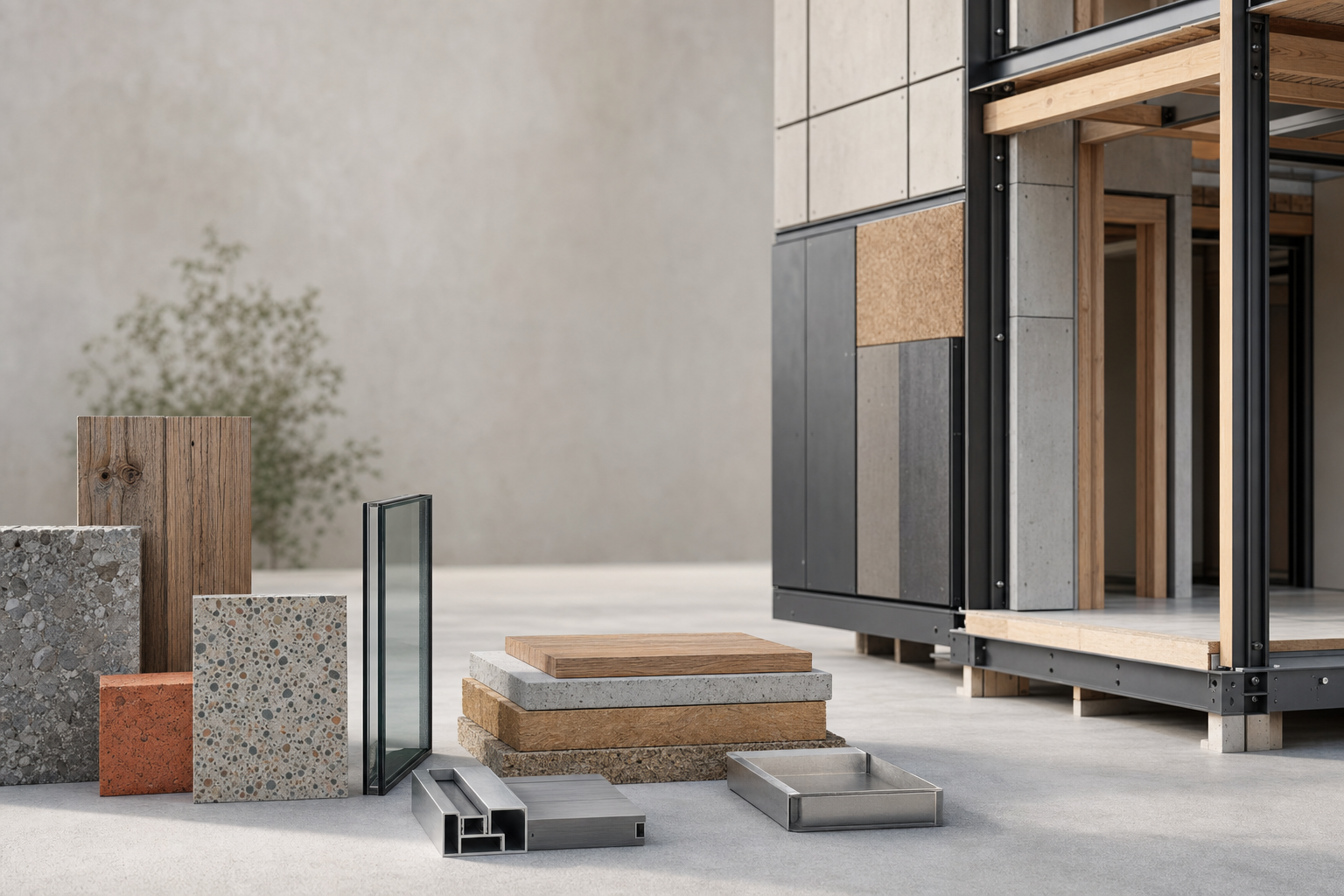
Practical circular construction includes reversible fixings like bolts instead of nails, modular wall panels designed for easy removal, and floor systems that can be lifted without damage. An example is a building designed with detachable facade elements that can be replaced or reused as styles or technologies evolve.
These details reduce waste during renovations and at end-of-life, supporting adaptability. Innovative projects worldwide showcase how such design choices extend building lifespans and simplify material recovery.
Action List for Designers and Builders
To implement circular construction effectively, consider this step-by-step guide:
1. Assess project goals: Determine if circular principles align with client and site requirements.
2. Incorporate design for disassembly: Use reversible fixings and standardized components.
3. Specify reclaimed materials: Source certified materials and verify quality.
4. Create material passports: Document materials for future reuse.
5. Engage with regulators early: Understand warranties and compliance requirements.
6. Collaborate across disciplines: Architects, engineers, and contractors should coordinate on circular strategies.
7. Educate clients and stakeholders: Share benefits and practicalities of circular construction.
A common pitfall is neglecting early coordination, leading to design conflicts or compliance issues later. Avoid this by integrating circular thinking from project inception.
Next Steps in Circular Construction
For those ready to deepen their understanding, numerous resources and courses explore circular construction techniques in detail. Sharing your experiences and innovations within professional networks accelerates adoption. Consider consulting with experts who specialize in circular building to tailor strategies to your projects.
Embracing circular construction not only benefits the environment but also positions your practice at the forefront of sustainable design. Start small, experiment with reclaimed materials or design for disassembly on your next project, and build from there.