Define Extension Construction Details
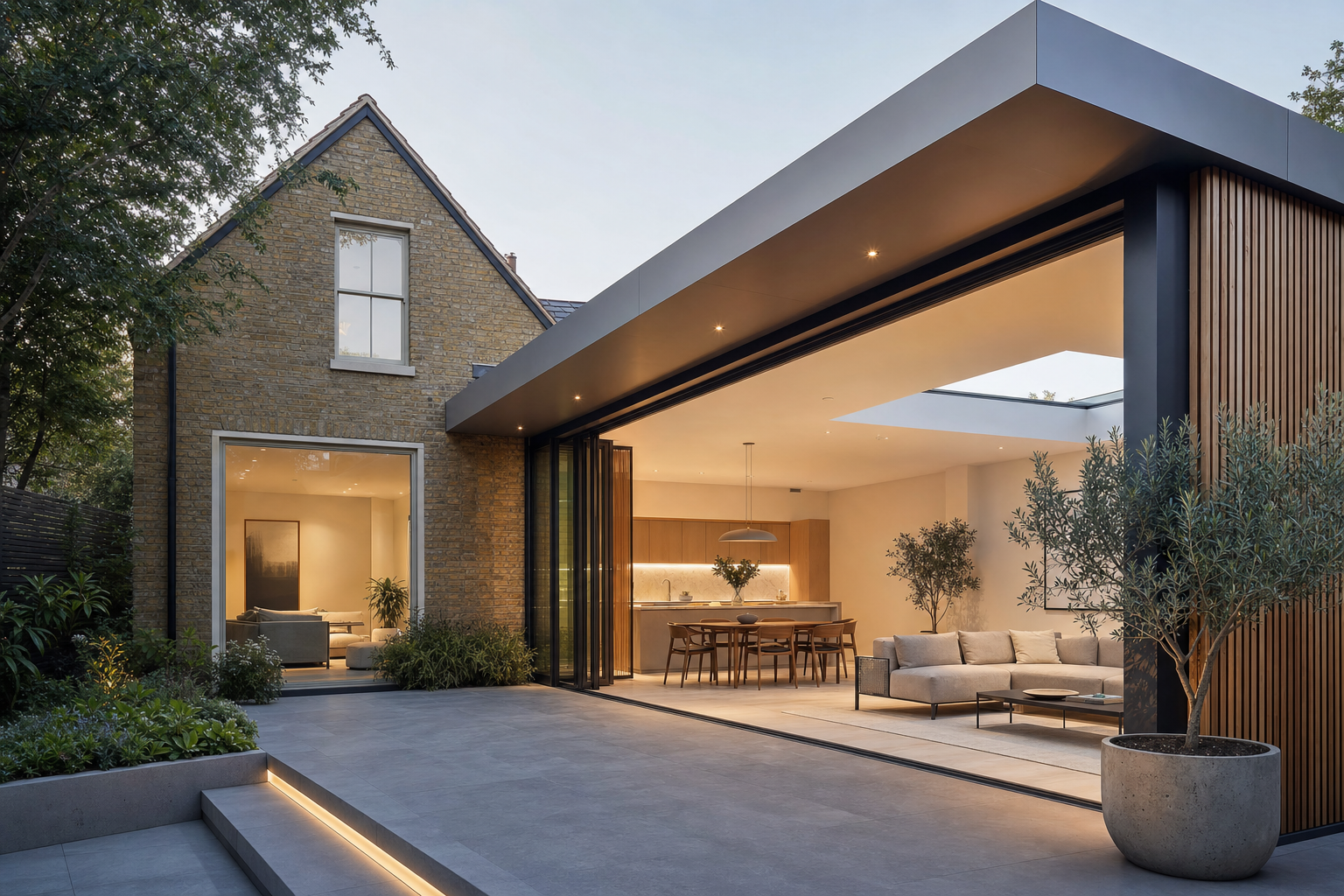
Extension construction details refer to the specific design and building elements that ensure a new addition to a property integrates seamlessly with the original structure. These details encompass everything from alignment, roof forms, and floor levels to material transitions and threshold treatments. Their primary role is to maintain design coherence, making the extension appear as a thoughtful continuation rather than an afterthought.
Whether for domestic or small commercial extensions, these details are critical. Poorly integrated extensions often look “bolted on,” disrupting the visual flow and reducing both aesthetic appeal and property value. In contrast, well-integrated extensions respect the existing architecture, creating a harmonious and intentional overall design.
Alignment and Proportion
Alignment is fundamental to visual harmony in extension construction. It involves matching key architectural lines, such as window sills, door heads, and cornices, between the original building and the extension. Proper alignment ensures the new structure feels connected and balanced.
Proportion relates to the scale and size relationships between the extension and existing elements. For example, if your original windows are tall and narrow, designing the extension with similarly proportioned windows helps maintain consistency. A case study from the Torbay house extension design guide highlights successful extensions that use careful alignment and proportion to blend new and old seamlessly.
A simple decision rule: if the extension’s key elements align horizontally and vertically with the original, proceed with similar proportions; if not, consider design adjustments or a deliberate contrast approach to avoid visual awkwardness.
Roof Form Decisions
Roof forms dramatically influence the extension’s aesthetic and how it relates to the existing building. Common roof forms include pitched roofs, flat roofs, and skillion (mono-pitch) roofs. Selecting the right form depends on factors such as the original roof style, local planning guidelines, and the desired visual impact.
For domestic extensions, matching or complementing the existing pitched roof is often recommended to avoid the extension looking out of place. The Historic England guidance advises using matching or complementary roof materials and forms to prevent the extension from dominating the original house.
For example, a pitched roof extension that aligns with the existing roof ridge and pitch angle can create a fluid roofline. Conversely, a flat roof may be suitable for a modern addition but requires careful detailing to integrate with pitched roofs without appearing disconnected.
Floor Levels and Thresholds
Maintaining consistent floor levels between the original building and the extension is critical for a seamless transition. A mismatch can create awkward steps or ramps that interrupt flow and accessibility.
Threshold details, such as door sills and transitions between interior and exterior spaces, also play a vital role. The ADA accessibility guidelines emphasize level clearances and beveled thresholds to ensure smooth, safe passage.
An effective threshold solution might include a flush or gently sloped transition that aligns with both interior flooring and external paving. This avoids the pitfall of a “trip hazard” or visual break that makes the extension feel separate.
Reveals, Openings, and Shadow Lines
Reveals are the recessed edges around windows and doors, while shadow lines refer to the subtle depth created by these recesses and other architectural features. Together, they add depth, texture, and visual interest to the extension’s facade.
Beyond aesthetics, reveals also protect window and door edges from weathering and facilitate water runoff. Well-executed reveals and shadow lines can make a flat facade more dynamic and articulate the extension’s design quality.
Architectural examples often show careful use of reveals to emphasize openings and create a rhythm that complements the original building’s detailing.
Material Transitions
Smooth material transitions are essential to avoid a jarring visual break between old and new. Challenges arise when different wall types or finishes meet, requiring careful coordination to maintain weather-tightness and accommodate movement.
The UK government guidance stresses that exterior materials should have a similar visual appearance, including walls and pitched roof coverings, to maintain continuity.
Techniques such as overlapping cladding, matching mortar joints, or using transition strips can help achieve seamless integration. The WBDG resource on material transitions details how interfaces must coordinate drainage planes and tolerances to ensure durability and appearance.
Details That Make Extensions Look Bolted On
Common mistakes that cause extensions to look “bolted on” include mismatched rooflines, inconsistent materials, poor alignment, and abrupt changes in floor levels or thresholds. These errors disrupt design coherence and highlight the addition as an afterthought.
For example, an extension with a flat roof directly abutting a pitched roof without a thoughtful transition can appear disconnected. Similarly, a sudden shift in window style or size breaks visual harmony.
To avoid these pitfalls, focus on alignment, proportion, matching or complementary materials, and smooth transitions. The National Park Service guidelines emphasize that additions should be compatible with existing massing and architectural features while remaining identifiable as new work.
Before-and-After Extension Detail Checklist
Evaluating extension details before and after construction ensures the project achieves intentionality. Use this checklist:
- Are rooflines aligned or thoughtfully transitioned?
- Do window and door openings match or complement existing proportions?
- Are floor levels continuous without awkward steps?
- Are threshold details smooth and accessible?
- Is the material palette consistent or harmoniously integrated?
- Do reveals and shadow lines add depth and interest?
- Is the extension visually subordinate to the original building?
If any answer is no, consider design revisions or consult a specialist to improve integration.
By following this checklist, you can avoid common mistakes and ensure your extension looks like a natural, intentional part of your property.
For those planning an extension, understanding these construction details early on is invaluable. To deepen your knowledge, exploring the planning phase guidance and resources like “In what order do you build an extension?” can provide critical insights into successful project sequencing and design decisions.