
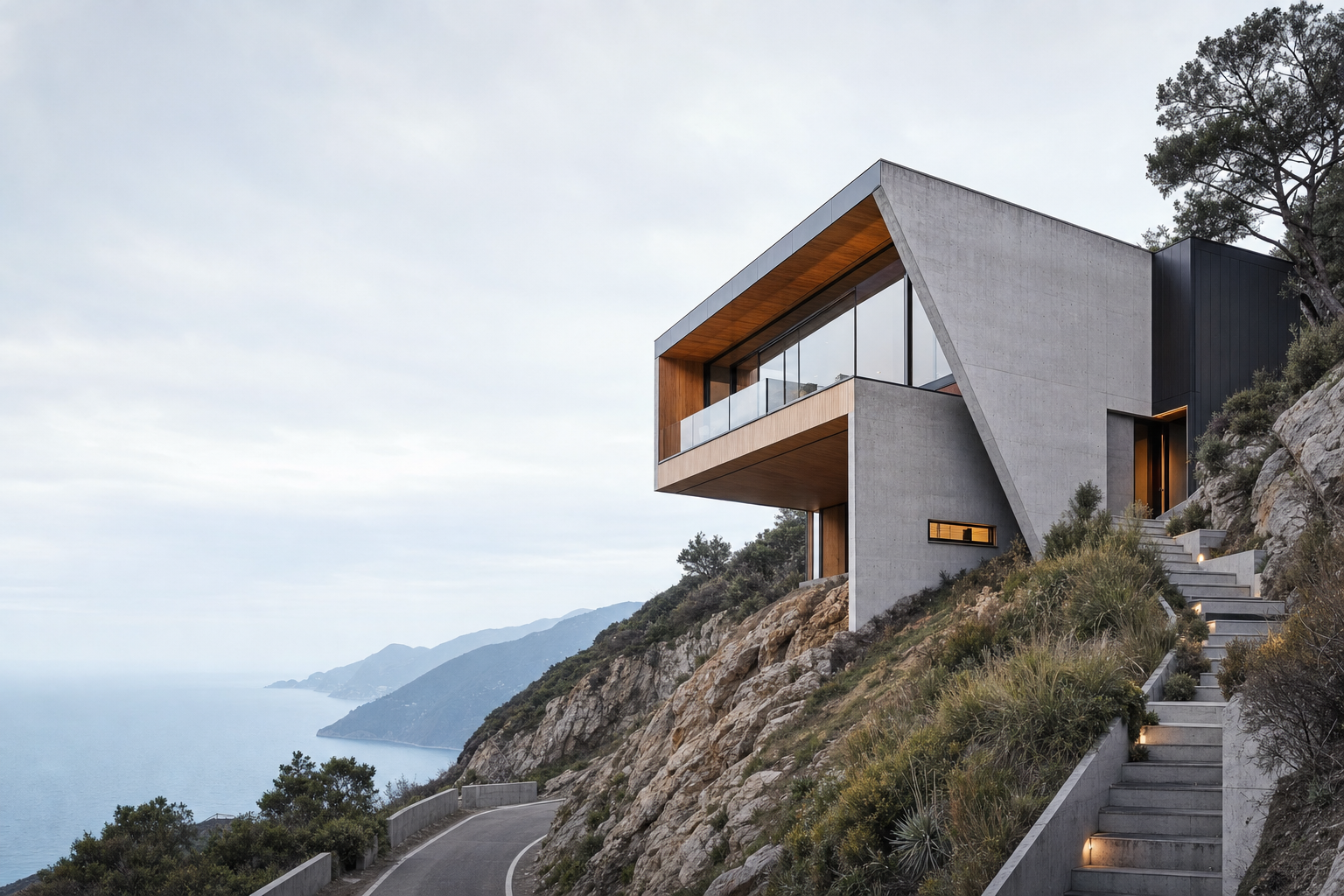
Understanding Awkward Site Architecture
Awkward site architecture refers to the design and construction of buildings on plots that present unique challenges due to their shape, size, slope, or location. These sites often include small, oddly shaped, or steep parcels of land that complicate traditional building approaches but also open the door for inventive, site-responsive solutions. As highlighted by YourHome.gov.au, these sites require architects to think creatively and tailor their designs to the specific constraints and opportunities the land presents.
Architects specializing in awkward site architecture view these challenges as opportunities to create buildings that are not only functional but also harmonize with their environment, enhancing both aesthetics and usability.
Types of Awkward Sites
Awkward sites come in various forms, each with distinct design hurdles:
- Narrow plots: These are slim parcels of land requiring efficient use of space and careful planning to ensure privacy, daylight, and access. The Courtyard House is a prime example, where a narrow, deep site is transformed by organizing living spaces around a central courtyard, optimizing daylight and circulation.
- Sloping sites: Land with significant gradients demands innovative structural and drainage solutions to maintain stability and usability.
- Constrained sites: These may have irregular footprints or be affected by planning restrictions and neighboring buildings, requiring architects to creatively navigate limitations.
Each type demands a tailored approach that balances site geometry with functional needs.
Why Constraints Produce Stronger Design
Constraints, while often seen as obstacles, can actually foster creativity and lead to stronger architectural outcomes. Research summarized by the Design Society illustrates that when constraints are embraced as design parameters rather than limitations, they encourage innovative problem-solving and unique solutions.
For example, tight site geometry or planning restrictions push architects to explore vertical space, multi-functional areas, or novel circulation paths. A key decision rule here is: if a site has strict planning restrictions, then prioritize flexible interior layouts and outdoor spaces; if not, explore more expansive designs.
Many renowned architects have praised how constraints sharpen creativity, leading to buildings that stand out for their ingenuity and responsiveness to context.
Daylight, Access, and Circulation Tactics
Maximizing natural light and ensuring smooth movement within a building are critical, especially on awkward sites where space and orientation may be limited. Effective daylight strategies include using courtyards, light wells, and carefully placed windows to bring sunlight deep into narrow or sloping buildings.
For instance, the Courtyard House uses a central courtyard to flood interior spaces with light and provide private outdoor areas despite a constrained footprint. Circulation solutions often involve open staircases or split levels that adapt to the site’s slope, enhancing flow without compromising usable space.
Access considerations also include entry points that respect privacy and optimize movement for residents and visitors alike.
Structure and Drainage Challenges
Building on awkward sites demands careful structural planning to ensure stability, especially on sloping or uneven terrain. Foundations must accommodate changes in elevation and soil conditions, often requiring stepped footings or retaining walls.
Drainage is equally vital to prevent water damage and foundation issues. The Oak Ridge National Laboratory Foundation Handbook details strategies such as surface drainage systems, waterproofing, gutters, and downspouts designed to keep water away from foundations effectively.
A common pitfall is neglecting proper drainage on sloped sites, which can lead to erosion or water ingress. Avoid this by integrating drainage solutions early in the design phase and coordinating with structural engineers.
Planning and Neighbour Issues
Planning restrictions and neighbor considerations often add complexity to awkward site projects. Regulations may dictate building height, setbacks, and natural light access, while neighbors’ rights to light and privacy must be respected.
The Planning Portal explains the importance of daylight and sunlight assessments to ensure adequate natural light for both new and existing buildings.
Successful navigation of these issues involves early consultation with planning authorities and neighbors, transparent communication, and sometimes design compromises to achieve approvals.
Examples of Successful Awkward-Site Projects
Boutique architecture firms excel at transforming challenging sites into celebrated buildings. The Courtyard House is a notable example, turning a narrow, deep site into a functional and light-filled home centered around a private courtyard.
Such projects demonstrate how careful analysis of site constraints and creative design can yield spaces that feel spacious, connected to nature, and highly livable, despite site limitations.
Lessons for Self-Builders and Small Developers
Self-builders and small developers tackling awkward sites should:
- Engage architects early to explore site-specific solutions.
- Prioritize flexible layouts that adapt to constraints like narrow plots or slopes.
- Plan for drainage and structural challenges upfront to avoid costly fixes later.
- Understand local planning restrictions and neighbor rights to streamline approvals.
A common pitfall is underestimating the complexity of site constraints, leading to budget overruns or design compromises. Avoid this by thorough site analysis and realistic goal setting.
People Also Asked: What is an example of an unusual building?
An iconic example is the Longaberger Big Basket Building in Newark, Ohio. This seven-story, 180,000-square-foot headquarters is shaped like a giant woven basket, embodying novelty architecture and standing out for its unique form and cultural significance. More details are documented in Ohio Magazine.
Explore Boutique Architecture Firm Portfolios
To gain inspiration and understand the possibilities of awkward site architecture, exploring the portfolios of boutique architecture firms is invaluable. These firms often showcase projects where constraints were transformed into design strengths, providing practical insights and fresh ideas for your own projects.
Consider visiting firm websites, architectural publications, or design society platforms to discover innovative solutions that align with your site’s challenges and aspirations.
Embracing the unique drama of awkward sites can lead to buildings that are not only functional but also inspiring. By learning from expert boutique architects and their creative approaches, interior designers, architects, and developers can turn constraints into opportunities and craft brilliant buildings that stand the test of time.